Diesel spike drives US wholesale inflation up to 5.4%
The PPI rose 0.4% in August, but firm readings in components tied to core PCE pushed markets toward a September Fed hike.
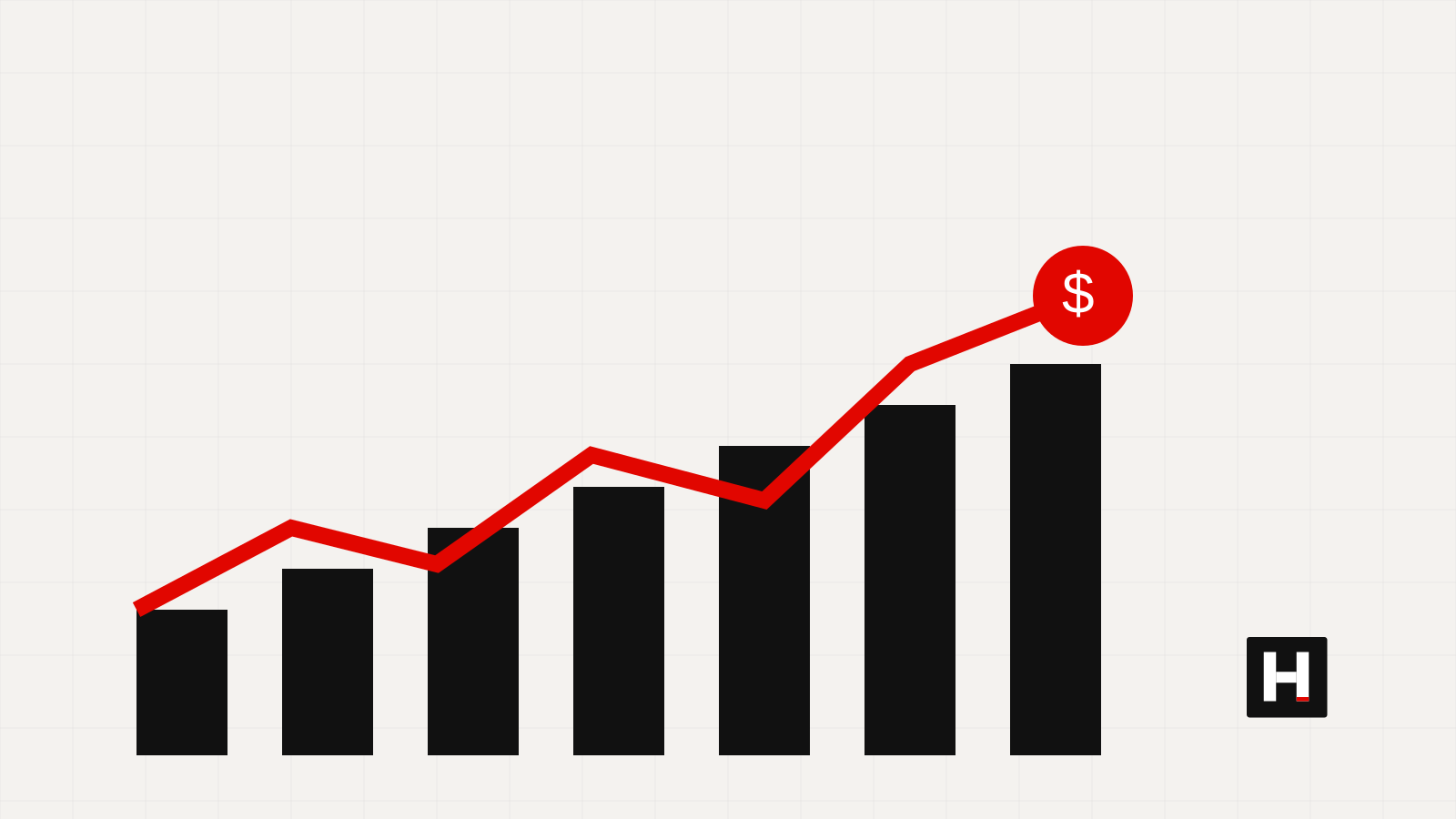
U.S. wholesale inflation accelerated to 5.4% over the year through August 2026 from 4.8% in July, as a 24.1% jump in diesel prices accounted for more than a third of the increase in wholesale goods prices, according to AInvest.
The producer price index rose 0.4% in August. Prices excluding food and energy increased 0.2%, and an underlying measure excluding food, energy and trade-services margins rose 0.3%, slower than July’s 0.4%. Energy prices overall rose 4.2%. The mix pointed to concentrated fuel pressure rather than a uniformly accelerating rise in business costs.
The release still complicated the case for holding interest rates steady. The wholesale figures included strong readings in several components that feed into the personal consumption expenditures price indexes, the measures the Federal Reserve tracks against its 2% inflation target, Reuters reported. Following the release, economists estimated annual core PCE inflation at 3.2% to 3.3% for August, compared with 3.3% in July.
Those estimates were higher than the 2.4% annual core consumer-price inflation forecast in a Reuters survey ahead of the September 11 CPI release. Economists interviewed by Reuters warned that oil above $100 a barrel could keep inflation elevated and spread price pressure beyond energy; others pointed to persistent effects from import tariffs.
Financial markets on Thursday priced in roughly a 70% chance of a 25-basis-point rate increase at the Fed’s September 15-16 meeting, Reuters reported, citing CME’s FedWatch tool. The benchmark rate stood at 3.50%-3.75%. Governor Christopher Waller had said he was inclined to argue for holding rates steady if incoming data confirmed that inflation pressures were cooling.
Sources (4)
Related coverage
The Morning Brief is coming soon
The HEADCOUNT
Morning Brief.
Get on the list for HEADCOUNT’s weekday briefing on the business of work.
- Weekday mornings, built from published HEADCOUNT reporting
- Evidence-backed — every item traces to sourced coverage
- The Signal: what the day's developments indicate for hiring